
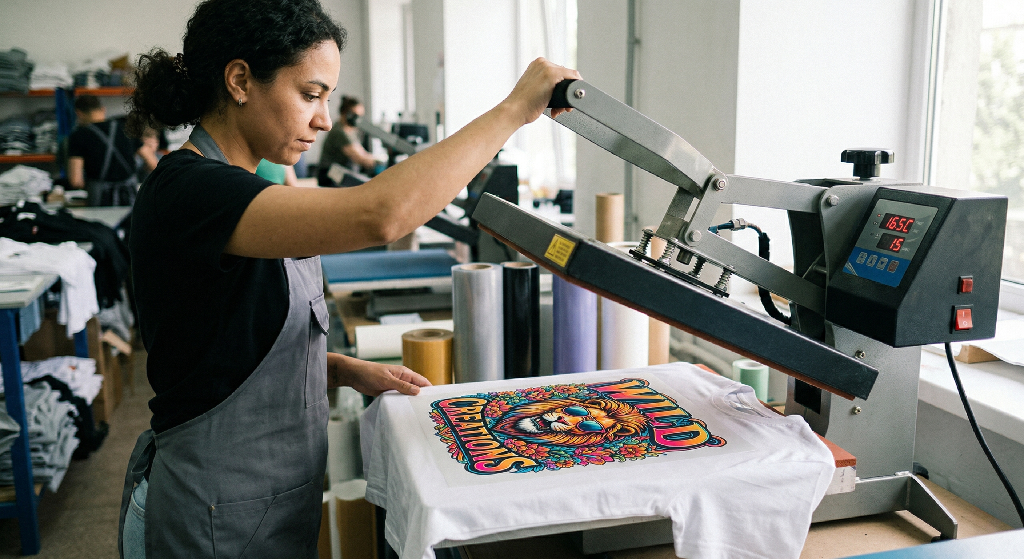
 Direct-to-Film (DTF) transfers have emerged as a revolutionary method in the world of textile printing, offering a versatile and efficient way to apply vibrant designs onto various fabrics. Unlike traditional methods such as screen printing or direct-to-garment (DTG) printing, DTF transfers utilize a unique process that involves printing designs onto a special film, which is then transferred onto the fabric using heat and pressure. This technique allows for high-quality prints with intricate details and a wide range of colors, making it an attractive option for custom apparel, promotional items, and more.
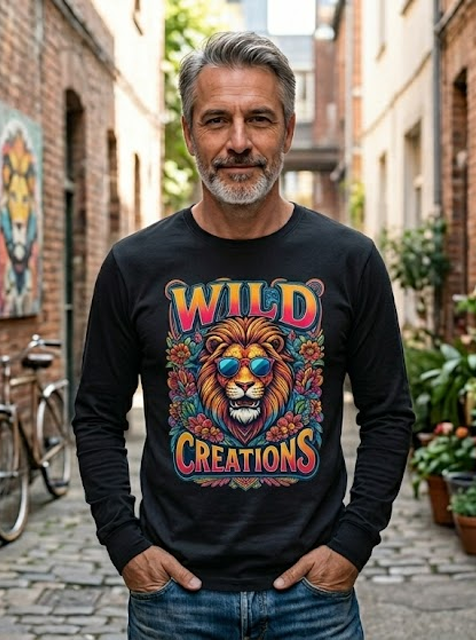
The DTF process begins with the creation of a digital design, which is printed onto a film using specialized inks. These inks are typically water-based and designed to adhere well to both the film and the fabric. After printing, a powder adhesive is applied to the wet ink, which is then cured using heat.
This step is crucial as it ensures that the adhesive bonds effectively with the ink, creating a durable transfer that can withstand washing and wear. Once cured, the film can be stored or used immediately for application, providing flexibility for businesses and individuals alike. You can learn more about DTF printing techniques at DTF.
Key Takeaways
- DTF transfers require specific transfer paper and proper artwork preparation for best results.
- Correct heat press settings are crucial to ensure strong adhesion and vibrant prints.
- Different fabrics need tailored application techniques to optimize transfer quality.
- Common issues like peeling or fading can be resolved with troubleshooting tips and proper care.
- DTF transfers offer advantages such as versatility, durability, and ease of use in heat pressing.
Choosing the Right DTF Transfer Paper
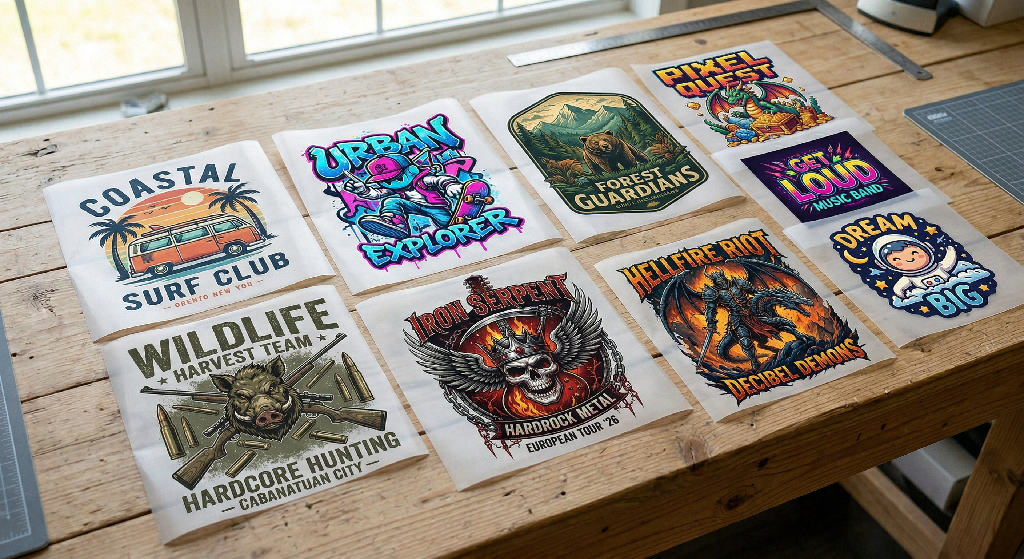 Selecting the appropriate DTF transfer paper is critical to achieving optimal results in your printing endeavors. The market offers a variety of transfer papers, each designed for specific applications and fabric types. When choosing DTF transfer paper, it is essential to consider factors such as compatibility with your printer, the type of ink used, and the intended fabric for application.
High-quality transfer paper will ensure that the ink adheres properly and that the final print maintains its vibrancy and durability. One popular choice among professionals is the PET (polyethylene terephthalate) film, known for its excellent ink absorption and transfer properties. This type of paper allows for sharp details and vibrant colors, making it ideal for intricate designs.
Additionally, some transfer papers are designed specifically for light or dark fabrics, which can significantly impact the final appearance of the print. For instance, when working with dark fabrics, it is advisable to use transfer paper that includes a white backing to ensure that colors remain vivid and do not get lost against the fabric’s background.
Preparing Artwork for DTF Transfers
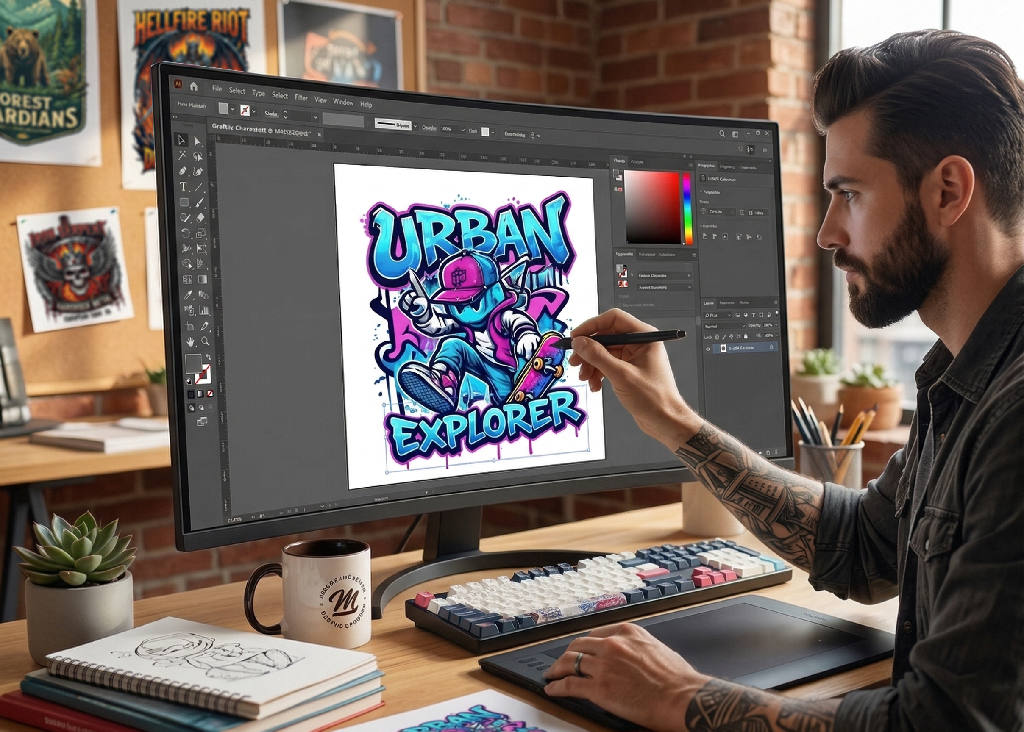 The preparation of artwork is a pivotal step in the DTF transfer process, as it directly influences the quality of the final print. Before printing, it is essential to ensure that your design is in the correct format and resolution. Most professionals recommend using vector graphics software such as Adobe Illustrator or CorelDRAW to create designs, as these programs allow for scalable images without loss of quality.
The artwork should be set at a minimum resolution of 300 DPI (dots per inch) to ensure clarity and detail in the final print. In addition to resolution, color management plays a significant role in preparing artwork for DTF transfers. Since DTF printing typically uses CMYK (cyan, magenta, yellow, black) color profiles, it is crucial to convert RGB (red, green, blue) designs into CMYK before printing.
This conversion helps to maintain color accuracy and ensures that the printed colors closely match what is seen on-screen. Furthermore, incorporating bleed areas into your design can prevent any unwanted white edges from appearing after cutting the transfer film.
Setting Up the Heat Press for DTF Transfers
Properly setting up your heat press is essential for achieving successful DTF transfers. The temperature, pressure, and time settings must be adjusted according to the specific requirements of the transfer paper and fabric being used. Generally, DTF transfers require a heat press temperature ranging from 320°F to 350°F (160°C to 180°C).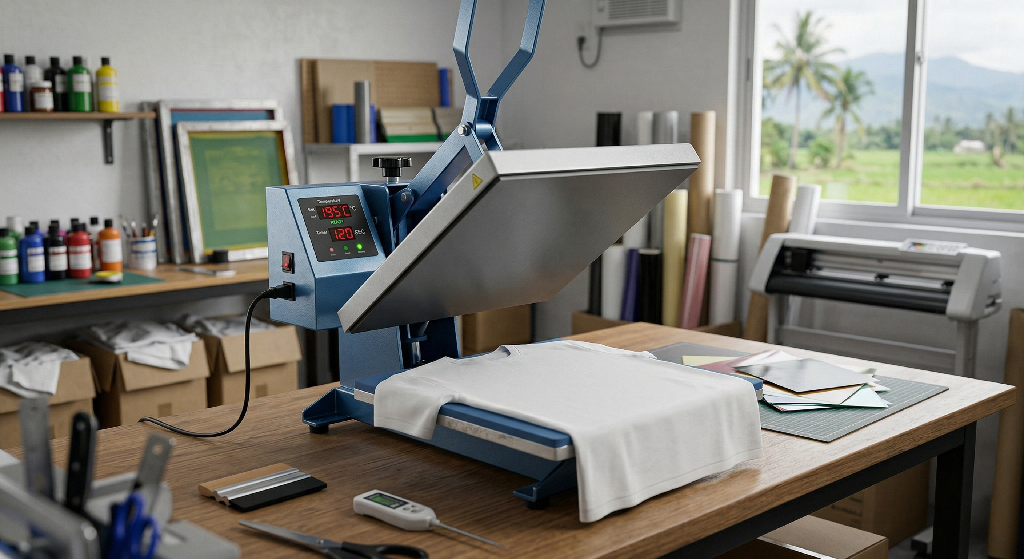
It is advisable to consult the manufacturer’s guidelines for both the transfer paper and the fabric to determine the optimal settings. In addition to temperature, pressure settings are equally important. A medium to firm pressure is typically recommended for DTF transfers to ensure that the adhesive bonds effectively with the fabric.
It may be beneficial to conduct test presses on scrap fabric to fine-tune these settings before applying them to your final product. Additionally, pre-pressing the fabric for a few seconds can help eliminate moisture and wrinkles, creating a smooth surface for the transfer application.
Applying DTF Transfers to Different Fabrics
| Brand | Material Type | Print Quality | Durability | Recommended Heat Press Temperature | Press Time | Peel Type | Best For |
|---|---|---|---|---|---|---|---|
| Poli-Flex DTF | Polyester-based film | High resolution, vibrant colors | Excellent wash resistance up to 50 washes | 160°C (320°F) | 15 seconds | Cold peel | Sportswear, polyester garments |
| Stahls’ CAD-CUT DTF | Polyurethane film | Sharp details, bright colors | Good durability, flexible | 155°C (311°F) | 12-15 seconds | Cold peel | Cotton and cotton blends |
| Forever DTF | Polyester film with adhesive | Vivid colors, smooth finish | Strong adhesion, lasts 40+ washes | 165°C (329°F) | 10-15 seconds | Cold peel | Light and dark fabrics |
| JetPro DTF | Polyester-based film | Bright and durable prints | High wash resistance | 160°C (320°F) | 15 seconds | Cold peel | Polyester and blends |
| Printavo DTF | Polyurethane film | Excellent color vibrancy | Good stretch and durability | 150°C (302°F) | 12 seconds | Cold peel | Sportswear and casual wear |
One of the significant advantages of DTF transfers is their versatility across various fabric types. Whether working with cotton, polyester, blends, or even specialty fabrics like nylon or spandex, DTF transfers can deliver impressive results. However, each fabric type may require slight adjustments in application techniques or settings to achieve optimal adhesion and durability.
For cotton fabrics, DTF transfers generally adhere well without any special treatment. However, when applying transfers to synthetic fabrics like polyester, it is crucial to monitor the temperature closely since high heat can cause melting or damage to these materials. In such cases, using a lower temperature setting while extending the pressing time can yield better results.
Additionally, when working with stretchy fabrics like spandex or lycra, it is advisable to use a lower pressure setting during application to prevent distortion of the design when the fabric stretches.
Troubleshooting Common Issues with DTF Transfers
Despite its many advantages, users may encounter challenges when working with DTF transfers. One common issue is poor adhesion of the transfer to the fabric. This problem can arise from several factors, including incorrect temperature settings or insufficient pressure during application.
If you notice that parts of your design are peeling or lifting after pressing, it may be necessary to adjust your heat press settings or reapply pressure for an extended period. Another frequent concern is color fading or bleeding after washing. To mitigate this issue, it is essential to follow proper washing instructions post-pressing.
Using cold water and avoiding harsh detergents can help preserve the vibrancy of your prints. Additionally, conducting wash tests on sample pieces before mass production can provide valuable insights into how well your transfers hold up over time.
Post-Pressing Care for DTF Transfers
Once you have successfully applied your DTF transfers, proper post-pressing care is vital for maintaining their quality and longevity. It is recommended to allow the transferred item to cool completely before handling it extensively. This cooling period helps ensure that the adhesive has fully set and bonded with the fabric fibers.
When it comes to washing garments with DTF transfers, following specific care instructions can significantly extend their lifespan. It is advisable to turn garments inside out before washing to protect the printed surface from friction and abrasion during laundering. Additionally, using cold water and avoiding bleach or fabric softeners will help maintain color integrity and prevent any potential damage to the transfer itself.
Air drying is often preferred over machine drying; however, if machine drying is necessary, using a low heat setting can help preserve both fabric and print quality.
Advantages of Using DTF Transfers for Heat Pressing
The adoption of DTF transfers in heat pressing offers numerous advantages that make it an appealing choice for both hobbyists and professionals alike. One of the most significant benefits is their ability to produce high-quality prints with vibrant colors and intricate details without requiring extensive setup or equipment costs associated with traditional printing methods. This accessibility allows small businesses or individuals looking to create custom apparel an opportunity to enter the market without significant financial investment.
Moreover, DTF transfers are known for their durability and washability compared to other transfer methods like vinyl or sublimation printing. The flexibility of DTF prints allows them to stretch with fabrics without cracking or peeling over time, making them ideal for activewear or fitted garments. Additionally, since DTF transfers can be applied to a wide range of materials—including cotton blends and synthetic fabrics—they provide versatility that caters to various customer preferences and market demands.
In summary, understanding DTF transfers involves recognizing their unique process and benefits compared to traditional methods. Choosing the right transfer paper and preparing artwork meticulously are crucial steps in ensuring successful applications across different fabrics while troubleshooting common issues can enhance overall results. With proper care post-pressing and an awareness of their advantages in heat pressing applications, users can fully leverage this innovative technology in their creative endeavors.